What tidal energy costs
Tidal power is expensive today, and the money goes on the sea around the machine, not the machine itself: foundations, vessels, cable and grid connection.

Tidal energy is expensive today and the reasons are specific rather than mysterious.
Knowing where the money actually goes explains both why the figure is high and why it should fall.
The machine is not the expensive part
Rotor, drivetrain and generator are a minority of a tidal project’s capital cost. The
majority sits in the foundation or mooring, the installation vessels, the subsea cable and the
grid connection. That is why a cheaper turbine barely moves the total.
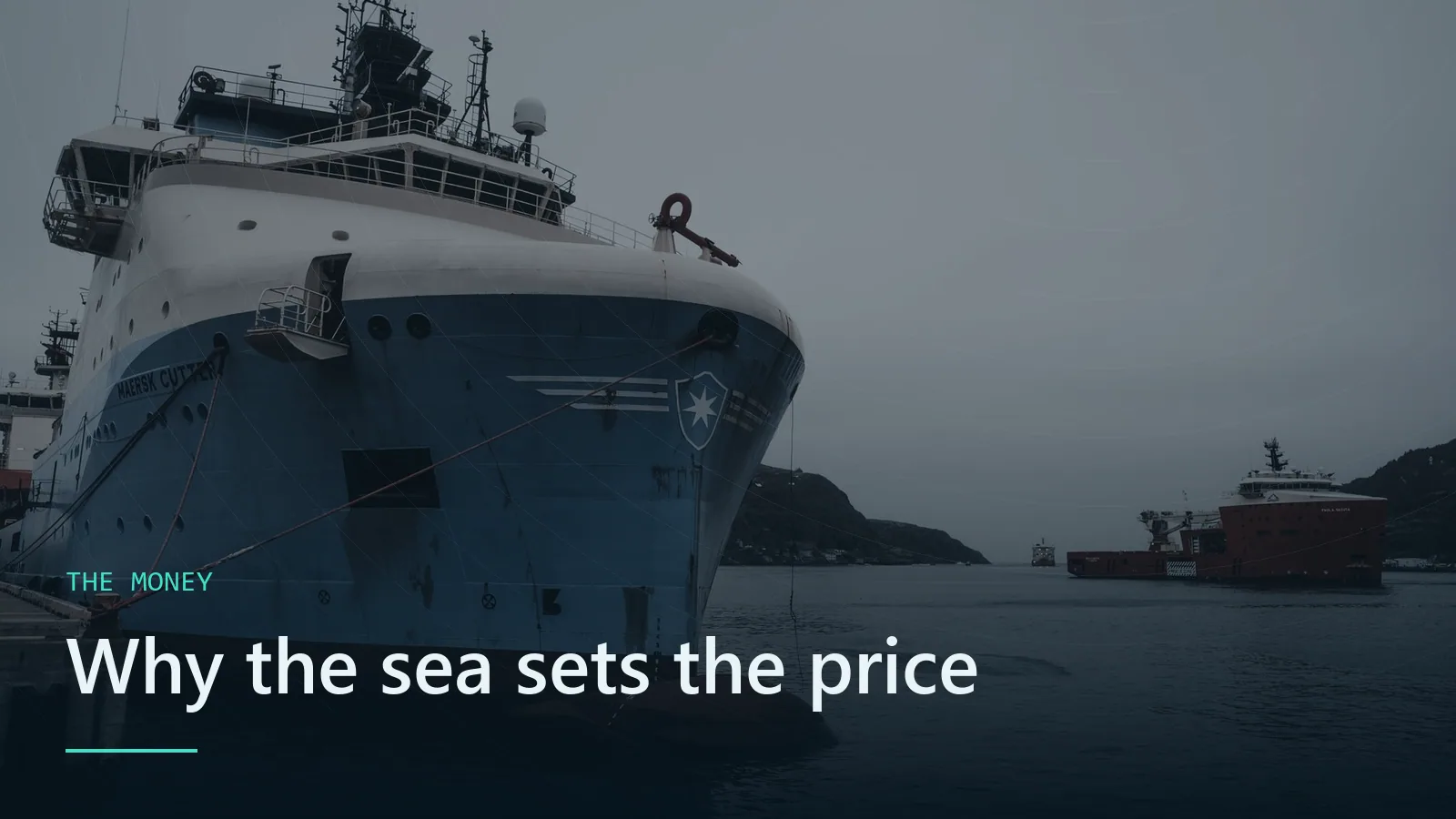
The sea sets the price
Offshore work is priced in vessel days, and vessel days are expensive and weather dependent.
A tidal site adds its own constraint: much of the work can only happen around slack water, so a
crew may get a short window twice a day. Anything that widens or removes that window has an
outsized effect on cost.
How it compares
Set against mature offshore wind, tidal stream is clearly more expensive per unit today.
Set against the early years of offshore wind, it is in a familiar place: a small number of
projects, bespoke engineering, no supply chain, and costs that fell steeply once volume arrived.
The detailed comparison is in tidal energy cost per kWh, and the
capital side in what it costs to build.
What predictability is worth
Comparing generation on cost per unit alone flatters intermittent sources, because it ignores
what the system spends to cover them. Tidal output can be scheduled years ahead, which reduces
the reserve a grid has to hold. That value is real even though it does not appear in a simple
price per megawatt hour.
The short answer
Yes, it is expensive now. The costs that dominate are the ones that fall with volume, and the
one that does not fall is the number of good sites. Whether the first outruns the second is the
open question of the industry.